
Table of Contents
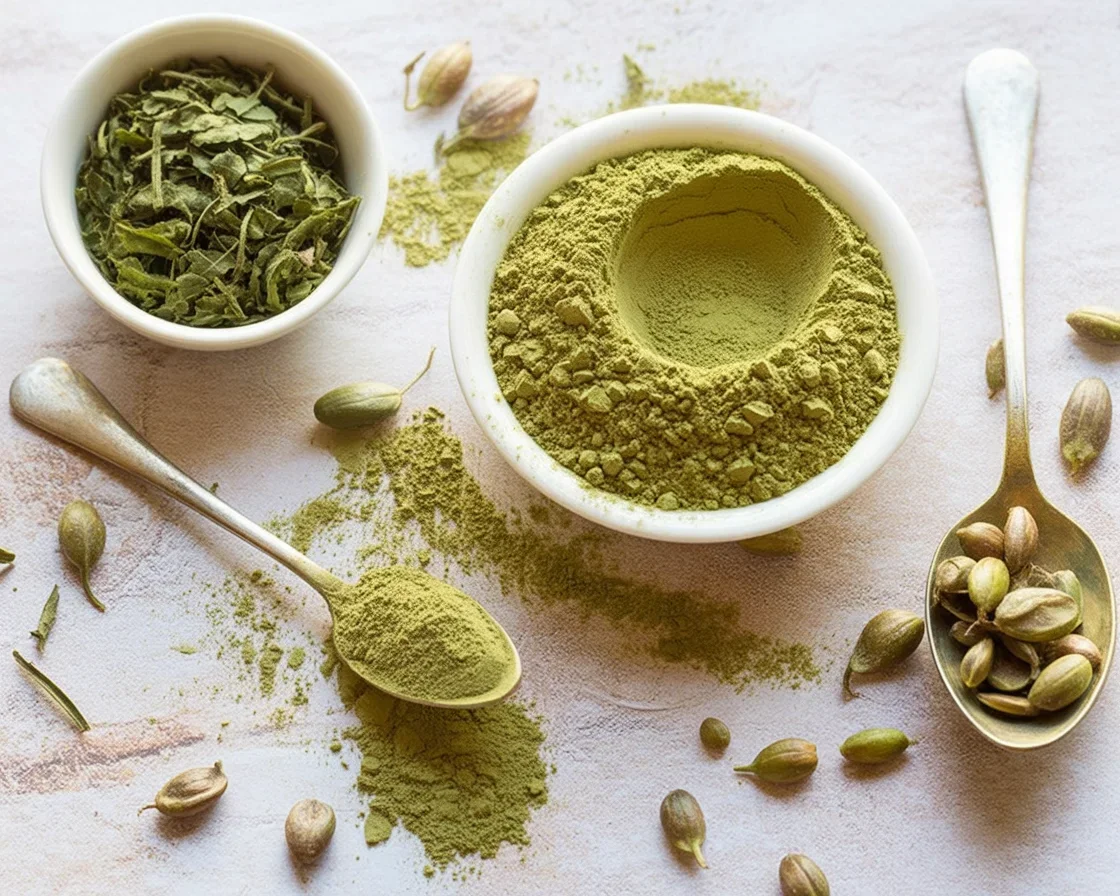
Moringa Powder is the kind of pantry ingredient you buy with good intentions, then forget about until you need a quick health boost or a sneaky green add-in for breakfast. I’ve been there, staring at the jar and thinking, now what. On busy mornings, I toss a little into my smoothie and it just works. The flavor is earthy and a bit nutty, like green tea met spinach, so it’s easy to build around. If you love simple, nourishing food with real-life tips, you’re in the right place. 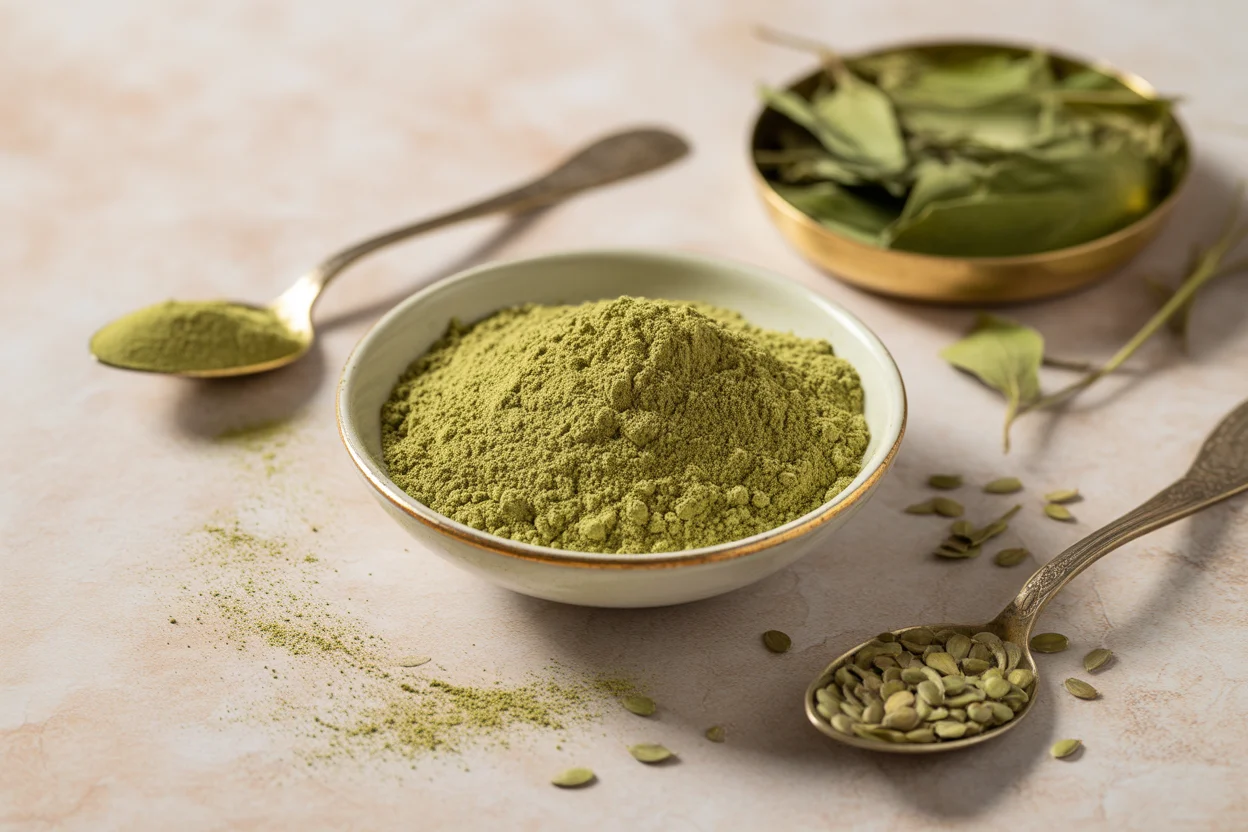
Health Benefits
What Makes It Special
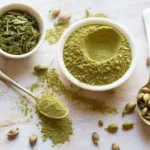
When I first tried Moringa Powder, I wanted something that gave me steady energy without the 3 p.m. crash. This bright green powder is made from dried moringa leaves, and it’s rich in vitamins A, C, and E, along with calcium, potassium, and plant compounds that act like little shields for your cells. The flavor is gentle enough to stir into yogurt or blend into a smoothie, and the payoff is real. I notice clearer focus and a calmer kind of energy, not buzzy, just steady. That’s the magic of whole foods doing their thing.
- Antioxidant support: Helps your body handle everyday stress from life and environment.
- Iron and vitamin C combo: A handy pairing for energy and immune support.
- Protein and fiber: Makes quick breakfasts feel more satisfying.
- Bone-friendly minerals: Calcium, magnesium, and potassium give your routine a helpful lift.
One surprisingly tasty trick is adding a pinch to a batter. The green gives a fun speckled color, and the flavor disappears when paired with banana or vanilla. If you love baking, try slipping a small spoon into a favorite loaf; I tested it with this cozy banana bread recipe and it baked up soft, moist, and gently sweet. Start with a half teaspoon in the batter, then go from there as you learn the taste.
For smoothies, I keep it simple. Frozen banana, milk of choice, a spoon of nut butter, a few oats, and half a teaspoon of the green stuff. It tastes like breakfast that actually takes care of you. If you need a weekend treat, the same pinch can go into pancakes or even a light vanilla yogurt parfait with granola.
Pro tip: A little goes a long way. I like to start tiny and build up. It’s easier on taste and tummy.
Health Risks
Who Should Be Careful
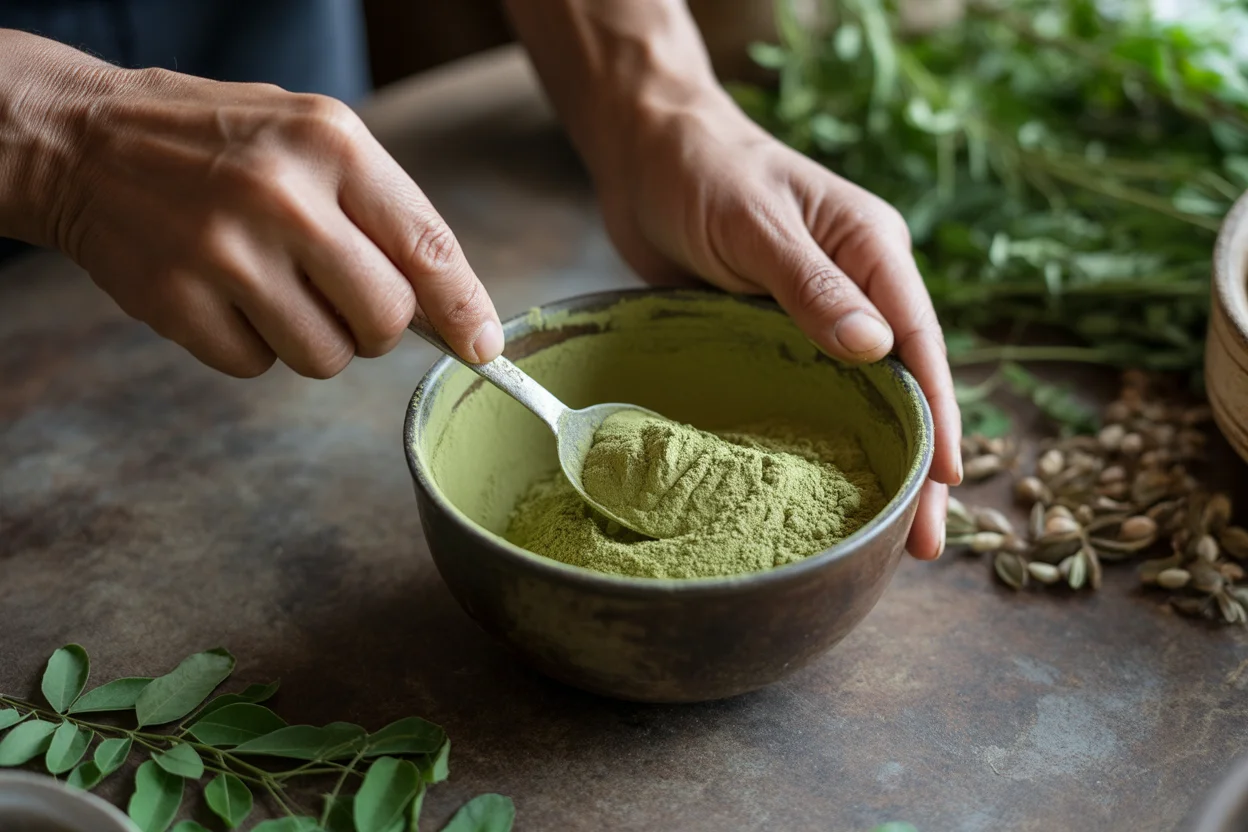
Any time a food gets popular, it’s easy to think more is better. With Moringa Powder, moderation really is your friend. Most people do fine with small servings, but like any concentrated plant, it can bother sensitive stomachs if you go heavy right away. Some folks report mild nausea or loose stools if they start with large spoonfuls. I learned that the hard way, so now I begin with half a teaspoon and wait to see how I feel.
If you take medication for blood pressure, blood sugar, or thyroid conditions, talk with your health provider before making it a daily habit. Moringa can have gentle effects in these areas, and mixing those without guidance is not ideal. Pregnant or nursing readers should also check in with a professional first. And for kids, older adults, or anyone with a weaker immune system, I recommend keeping portions small and choosing brands that test their batches carefully.
Quality matters. Leaf powders can be contaminated in production like any dried herb. Look for brands that share lab results for microbes and heavy metals. If the label or website lists batch numbers and recent testing, that is a good sign. Also, heat can help reduce microbial risk, so baking with it is a smart move. If you want a low-lift place to start, fold a tiny measure into this easy banana bread batter for a cozy afternoon snack that feels balanced and safe.
Symptoms of Salmonella Infection
When to Call a Doctor
Salmonella can affect any food that is handled or dried without perfect safety steps, which is why choosing careful brands matters. If you ever suspect contaminated food, know the classic symptoms: watery diarrhea, stomach cramps, fever, chills, nausea, and sometimes vomiting. These usually show up 6 hours to 6 days after eating the problem food and can last a few days. Most healthy adults recover at home with rest and fluids, but dehydration is the big risk to watch closely.
Call a professional if symptoms are severe, if you see blood in stools, if a fever lingers above 102 F, or if someone at higher risk is affected. That includes young kids, adults over 65, pregnant people, and anyone with weaker immune defenses. Listen to your body. If it feels off or too intense, please get help. Food should lift you up, not stress you out, and there’s no badge for toughing it out alone.
Recommendations for Safe Consumption
My Favorite Daily Routine
I treat Moringa Powder like a seasoning rather than a supplement. It slips into regular meals and keeps things simple. On weekdays, I blend a half teaspoon into a smoothie or stir it into plain yogurt with honey and cinnamon. On weekends, I’ll whisk a tiny bit into pancake batter or banana muffins. Gentle is the key. You want your food to taste good first, then bring the boost.
- Start small: 0.5 teaspoon a day for a week, then move to 1 teaspoon if you feel good.
- Choose tested brands: Look for certificates of analysis and clear batch info.
- Store it right: Keep the jar cool, dry, and tightly sealed away from light.
- Cook when in doubt: Baking or simmering in soups lowers microbial risk versus eating it raw.
- Know your body: If you take meds or have conditions, ask a professional before daily use.
“I was skeptical, but a half teaspoon in my morning smoothie felt like a quiet upgrade. No jitters, just steady energy and better focus. The flavor practically disappears when you add banana.”
One super comforting option is to bake a small batch treat that you can slice all week. If you prefer a tried and true base, here is a friendly banana bread you can customize. I add a small pinch of moringa to the dry ingredients, whisk well, and bake. The loaf comes out moist and gentle, like a hug with butter. If you are brand new to this, start with a quarter teaspoon in the entire loaf and see how your crew reacts.
If you’d rather keep it simple, stir a little into oatmeal right after cooking and finish with peanut butter and sliced banana. Or, whisk a tiny bit with olive oil and lemon juice for a fresh green drizzle over roasted veggies. And if you want a treat that still feels balanced, try a weekend bake with this lovely banana bread method as your foundation. It plays well with walnuts, chocolate chips, or a sprinkle of cinnamon on top.
Current Updates on Moringa Powder Safety
Food safety guidance changes as regulators and brands share new information. I keep an eye on official sources like the FDA and state health departments because they publish recalls, outbreak details, and company notices. If I see a brand I use mentioned, I pause, check the batch number, and follow the instructions, which might include returning the product or tossing it. It’s not dramatic, it’s just part of being a smart home cook.
Before buying, I scan the brand’s site for testing results and recent updates. I also check user reviews to see if anyone mentions odd smells or texture in a fresh jar. When in doubt, I cook it. Baking or simmering is simple and practical, and recipes like this reliable banana bread technique make it easy to enjoy the benefits while staying cautious.
Common Questions
Can I use it every day?
Yes, many people do well with small daily amounts. Start with 0.5 teaspoon and see how your body feels. Increase slowly if everything sits well.
What does it taste like?
Earthy and lightly nutty, a bit like green tea. It blends best with banana, vanilla, cinnamon, or cocoa.
Is baking it effective?
Yes, baking is a great option. The heat can reduce microbial risk and the flavor mellows. Try adding a tiny pinch to this comfort-forward banana bread recipe and adjust to taste.
How do I store it?
Keep it sealed tight in a cool, dry, dark spot. Moisture and light can dull the flavor and quality.
What if I feel sick after taking it?
Stop using it and talk with a healthcare professional, especially if you have fever or severe stomach issues. If you suspect foodborne illness, seek care promptly.
A friendly wrap up and a little nudge to cook
If you want a simple upgrade to everyday meals, Moringa Powder is an easy win. Start small, choose tested brands, and lean on heat when you want extra peace of mind. For a comforting way to try it, stir a tiny bit into a trustworthy banana bread base and enjoy how gently it fits into your routine. Stay informed using official sources like the FDA’s Outbreak Investigation of Salmonella: Moringa Leaf Powder page so you can shop and cook with confidence. Grab a spoon, bake a loaf, and let your kitchen do its cozy thing.
Moringa Powder Banana Bread
Ingredients
For the Banana Bread
- 3 medium ripe bananas, mashed The riper the bananas, the sweeter the bread.
- 0.5 cup sugar Adjust sweetness according to preference.
- 1 large egg Beaten.
- 0.5 cup oil or melted butter Can substitute with applesauce for a healthier option.
- 1 cup all-purpose flour Can substitute with whole wheat flour for more fiber.
- 1 teaspoon baking soda For leavening.
- 0.5 teaspoon salt Enhances flavor.
- 0.5 teaspoon moringa powder Start small and adjust to taste.
Instructions
Preparation
- Preheat the oven to 350°F (175°C).
- In a mixing bowl, mash the ripe bananas until smooth.
- Stir in the sugar, beaten egg, and oil or melted butter until well combined.
- In another bowl, mix the flour, baking soda, salt, and moringa powder.
- Gradually fold the dry ingredients into the wet mixture until just combined.
Baking
- Pour the batter into a greased loaf pan.
- Bake in the preheated oven for 50-60 minutes, or until a toothpick inserted into the center comes out clean.
- Let the bread cool in the pan for 10 minutes before transferring it to a wire rack to cool completely.